Navigating FAA Drone Regulations for Safe Flights
April 16, 2026
The moment your drone leaves the ground, you aren’t just a creator—you’re a pilot entering one of the most sophisticated airspaces in the world. While the horizon feels limitless and the perspective from above is transformative, the FAA has established clear rules to ensure the skies remain safe for everyone. Navigating these regulations might feel like a hurdle, but they are actually the foundation that allows our community to grow and innovate safely.
In this guide, we will walk you through the essential legalities every pilot needs to master. You'll learn how to distinguish between recreational flyer rules and commercial drone rules, navigate the specifics of drone registration requirements, and ensure your equipment meets current Remote ID compliance standards.
Core FAA Drone Regulations for Every Pilot
The Federal Aviation Administration (FAA) oversees the skies to ensure that every aircraft can operate without conflict. Regardless of why you are flying today, there are a few non-negotiable standards we must all follow to maintain safety and access to the national airspace.
First, you must always maintain a visual line of sight with your drone. This means you need to be able to see your aircraft with your own eyes at all times, without the aid of binoculars or long-range cameras.
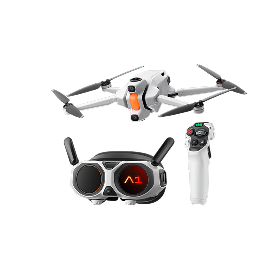
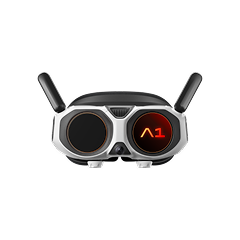
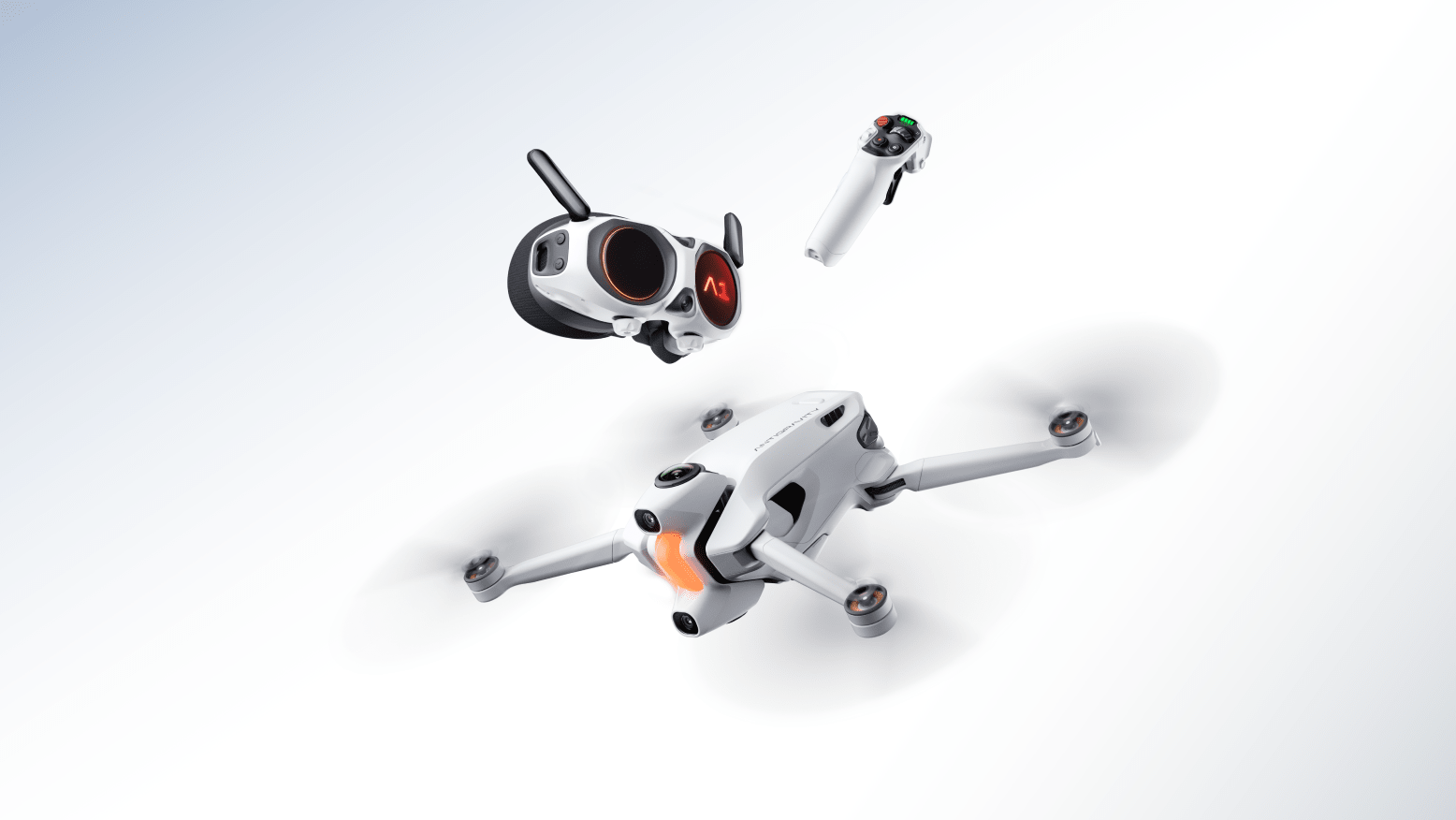
Using a stabilized live-view system such as Antigravity Vision Goggles can help you better understand orientation and spatial positioning while still keeping your eyes on the aircraft itself. The goal isn’t to replace line-of-sight awareness, but to support safer decision-making by giving you a clearer understanding of altitude, movement, and surroundings.
Additionally, you must stay at or below an altitude of 400 feet. This height restriction is designed to keep small drones well clear of manned aircraft, which typically operate much higher.
If you plan to operate after sunset, make sure to learn about night flying regulations, as additional lighting and visibility requirements apply beyond standard daytime operations.
Understanding your surroundings also means being aware of airspace flight restrictions. Not all sky is open for business; areas near airports, military bases, and national parks often have strict limitations. Before every takeoff, we strongly recommend using a reliable mobile app to check for temporary flight restrictions or restricted zones in your immediate vicinity.
Finally, you must always yield the right of way to any manned aircraft. If you see or hear a plane or helicopter, the burden is on you to land or move to a safe distance immediately. By respecting these rules consistently, we protect the freedom to fly for everyone. Staying compliant ensures we remain respected and professional members of the aviation community.
Recreational FAA Drone Regulations and the TRUST Test
If you are taking to the skies simply for the joy of exploration, you are flying under what the FAA classifies as recreational flyer rules. This category is reserved exclusively for personal enjoyment. Many think "hobbyist" means "no rules," but the reality is that the FAA requires all recreational pilots to demonstrate a basic understanding of safety before they power up their motors.
The centerpiece of these requirements is the TRUST safety test, which stands for The Recreational UAS Safety Test. This is a free, online training assessment that covers essential safety protocols, such as maintaining line of sight and avoiding other aircraft. It isn’t just a recommendation—it is a legal requirement for every pilot. You must carry proof of your TRUST completion whenever you fly, either digitally or as a physical copy.
Under the recreational flyer rules, you must follow FAA-recognized safety guidelines, such as those of an FAA-recognized Community-Based Organization (CBO), or the FAA’s own guidelines where applicable.
This is also where beginner-friendly aircraft matter. Antigravity A1’s intuitive control approach helps new pilots focus on situational awareness instead of complex stick coordination, making it easier to follow safety practices like maintaining distance, smooth maneuvering, and controlled hovering while learning the fundamentals.
While intuitive tools reduce the learning curve, remember that being a responsible pilot is part of being a great creator. By passing your TRUST safety test and staying within the recreational flyer rules, you protect your right to fly and help foster a culture of safety. These simple steps ensure that the sky remains a welcoming playground for all of us as we continue to explore the world from above.
FAA Drone Regulations and Part 107 Certification
For many of us, the line between passion and profession begins to blur as our creative skills grow. If you intend to use your drone for any form of compensation, like earning money from your footage, you must operate under commercial drone rules. This transition requires obtaining a Part 107 license, the FAA's official certification for remote pilots.
To qualify, you must be at least 16 years old and pass a comprehensive aeronautical knowledge exam at an FAA-approved testing center. This isn't just a simple safety quiz; the 60-question test covers topics ranging from local weather patterns to reading complex sectional charts and understanding emergency procedures. Once you pass, you will need to keep your certification current by completing free online recurrent training every two years.
Operating professionally also impacts your drone registration requirements. Unlike recreational flyers who register once for their entire fleet, commercial pilots must register each individual aircraft with the FAA and display the registration number on the exterior.
Remote ID: the Digital License Plate in FAA Drone Regulations
As our skies become busier, the FAA has introduced a new layer of transparency called Remote ID. This technology allows your drone to share location information while in flight, which is received by the FAA and law enforcement. This broadcast allows for better coordination across the national airspace and is critical for maintaining safety and accountability as more drones are integrated into the national airspace.
Remote ID compliance is now a standard requirement for almost all drones in the United States. If your aircraft weighs more than 250 grams or if you fly under commercial drone rules, your equipment must be equipped with this broadcasting capability. Most modern drones include this, but older models may require a separate broadcast module.
Navigating these technical requirements is essential for drone pilots. Keeping your drone registration requirements up to date alongside your Remote ID status allows you to fly confidently. Antigravity A1 is built with these regulations in mind, so you can focus on capturing cinematic perspectives while your gear handles the safety standards. By embracing these tools, we all contribute to a more transparent and sustainable aerial community.
FAQ
Can I fly my drone in National Parks?
In most cases, the answer is no. The National Park Service has a ban on launching, landing, or operating drones inside park boundaries to protect wildlife and visitors. While it is tempting to capture these iconic landscapes, you must respect these specific airspace flight restrictions. Always check for local rules before you travel to any new destination.
What happens if I fly without meeting drone registration requirements?
Failing to register an aircraft or failing to display your registration number on the exterior can result in significant civil penalties and even criminal fines. Registration helps the FAA contact you in case of an emergency. Staying compliant ensures you remain a respected member of the aviation community and keeps our shared skies safer for everyone.
Do I need a Part 107 license for my YouTube channel?
If your channel is monetized or used to promote a brand, the FAA views this as commercial work. According to commercial drone rules, if your flight is "in furtherance of a business", you need a Part 107 license. Even if you aren't getting paid directly for a specific flight, the intent of the content matters to federal authorities when they evaluate your operations.
How do I identify local airspace flight restrictions?
We recommend using FAA-approved apps like AutoPylot. These tools provide real-time data on controlled airspace and temporary flight restrictions. Checking for airspace flight restrictions before every takeoff ensures you aren't interfering with emergency operations. Mastering these digital tools is a vital part of every creator’s safe pre-flight routine.
Conclusion
Understanding FAA drone regulations is more than just a legal hurdle; it is the ultimate expression of respect for the skies we share, so staying current with current laws and 2026 drone law updates an essential part of becoming a responsible, confident pilot.
구독하고 계신가요?
구독하면 인기 스토리, 팁, 뉴스를 이메일로 만나볼 수 있습니다.

